

Launching a new website feels like stepping into a crowded room, eager to be noticed yet unsure where to start. The digital world buzzes with competition, making traffic the key to survival. Launching a new website in today’s digital landscape, especially, feels like planting a seed in a bustling garden—nurturing it to flourish takes skill. One key goal is to increase organic traffic to the new website, drawing visitors naturally through search engines like Google.
This starts with crafting high-quality, keyword-rich content that answers user queries—think guides on “safe adult practices” or “ethical business tips”—and optimizing it with tools like Yoast SEO. A fresh site gains traction as search engines index pages, but it’s a slow climb, often taking weeks to see a steady flow of 50-100 visitors monthly. Consistency matters—regular posts and technical tweaks like fast load times keep the momentum building, turning curiosity into regular visits.
This guide unveils 10 proven strategies to draw visitors to a fresh site—be it an adult platform, blog, or business hub. Expect practical tips, real-world insights, and steps to boost visibility fast. These methods work for anyone building an online presence, turning a quiet launch into a thriving hub of activity.
Website traffic is the heartbeat of any online venture, showing how many people land on and explore a site. For a new website, it’s about sparking interest from the get-go to build momentum. Traffic splits into types—organic comes from search engines like Google, direct hits show returning users typing the URL, and referrals or social media bring outsiders. A fresh adult site might see slow organic growth at first, while a business blog could lean on social shares. Understanding these streams helps target efforts wisely.
Quality matters more than quantity. Visitors who stay, click, and engage signal value to search engines, boosting rankings over time. Bounce rates—when people leave fast—hint at issues like slow loading or irrelevant content. Tools like Google Analytics track these metrics, offering a window into what works. A new site starting today needs this insight to adjust strategies early. Traffic isn’t just numbers; it’s potential customers, readers, or fans discovering the platform.
New sites face unique hurdles. With no history, search engines rank them lower, making organic traffic a slow burn. Social media offers a quicker path but demands consistent effort. Referrals from other sites build credibility, yet need outreach. A launch in August 2026 means competing with established players, so starting with a mix of methods—SEO, social posts, and content—sets a strong base. The goal is steady growth, turning first visitors into regulars who spread the word.
Patience pays off. Organic traffic builds as content ages and backlinks grow, often taking months to peak. Direct traffic rises with brand recognition, in a gradual climb. Social and referral spikes depend on campaigns or partnerships. A new adult site might see a surge from a viral tweet, while a business hub gains from a niche forum mention. Tracking progress weekly—say, 50 visitors in week one—guides tweaks. It’s a marathon, not a sprint, and understanding traffic types lights the path.
SEO turns a new website into a magnet for organic traffic, pulling visitors who search for relevant topics. Start with keyword research using tools like Ubersuggest or Ahrefs to find terms the audience seeks—think “adult wellness tips” or “start-up tools 2026.” Pick keywords with decent volume but low competition, ideal for a fresh site. Weave them naturally into content—blog posts, product descriptions, or service pages—avoiding forced stuffing that trips algorithms.
Content quality seals the deal. Write clear, valuable pieces—say, a guide on “Safe Online Dating” for an adult site or “Top Business Apps” for a startup hub. Keep it engaging with short paragraphs, bold headers, and useful info. Technical SEO matters too—ensure fast load times under three seconds, a mobile-friendly layout, and HTTPS security. Google favors sites that load quick and work on phones, especially in 2026’s mobile-first world.
New sites need a crawlable structure. Use a sitemap and submit it to Google Search Console to speed indexing. Internal links between pages—linking a blog to a services page—help search bots navigate. Alt text on images, like “relaxing massage setup,” boosts accessibility and SEO. A site launched today might see its first organic trickle in weeks, growing as Google ranks it higher. Consistency is key—add fresh content weekly to signal activity.
Backlinks amplify SEO efforts. Reach out to niche blogs or forums for guest posts, offering a free resource in return. A new adult site could pitch “10 Sensual Self-Care Tips” to a wellness blog, earning a link. Avoid shady link schemes; quality links from trusted sites build authority. Track progress with SEMrush, watching keyword rankings rise. SEO is a long game, but a solid start today sets a foundation for traffic by year-end.
Social media acts as a launchpad for new website traffic, spreading the word fast. Pick platforms matching the niche—Twitter suits adult content with its quick posts, while LinkedIn works for business sites. Share teasers like short videos, bold images, or intriguing captions to grab attention. A new adult platform might post a tasteful “Intimacy Tips” clip, while a business hub shares a “2026 Trend Alert” graphic. Keep it visual; eyes catch what stands out.
Joining niche communities boosts reach. Find groups on Facebook or Reddit—adult wellness circles or startup forums—and contribute value. Answer questions, share insights, and drop a subtle site link when relevant. A new site gains traction as members visit out of curiosity, but avoid hard sales; trust builds slowly. Post consistently—three times a week—to stay visible without overwhelming followers. Engagement, like replying to comments, fuels growth.
Paid social ads speed things up. Start with a small budget—$20-$50—on Facebook or Instagram, targeting keywords like “adult lifestyle” or “new business tools.” Test ad variations—text, image, video—and track clicks. A new site sees instant visitors, especially if ads hit the right crowd. Adjust based on data; high click-through rates mean refine and scale. Social media turns a quiet launch into a buzzing hub, driving traffic within days.
Collaborations amplify impact. Tag influencers or partner with niche accounts for shoutouts. A new adult site might team with a wellness influencer for a joint post, while a business hub links with a startup coach. Their followers visit, drawn by trusted voices. Use hashtags like #AdultWellness or #BusinessTips to widen reach. Social media is a live wire—plug in smartly, and traffic flows steady from the start.
High-quality content draws visitors like a magnet, turning a new website into a go-to spot. The digital crowd craves value, not fluff. Start with articles that solve problems—think “How to Boost Adult Wellness” for an erotic site or “Best Tools for New Entrepreneurs” for a business hub. Make it engaging with short, punchy paragraphs and real insights. Readers stick around when content feels useful, not forced.
Focus on uniqueness. Copy-paste won’t cut it; craft original pieces that stand out. A new adult platform might share a guide on “Sensual Self-Care Routines,” while a startup site offers “5 Lessons from 2026’s Top Founders.” Use storytelling—paint a picture of a couple finding intimacy or a business owner scaling up—to hook readers. Bold headers break up text, making it easy to scan. Quality content builds trust, encouraging shares that pull in more eyes.
Update regularly to keep the site alive. Search engines love fresh material, so aim for a new post weekly. A blog on “Latest Adult Trends” or “Business Tech Updates” stays relevant, drawing repeat visitors. Add visuals—charts, photos, or videos—to break monotony and boost appeal. A new site gains traction as Google indexes this effort, ranking it higher over time. Consistency turns a quiet launch into a buzzing hub.
Engagement seals the deal. Invite comments or questions at the end of posts—say, “What’s your favorite self-care tip?”—to spark interaction. Share content on social media with a catchy line like “Unlock wellness secrets here.” High-quality content isn’t just words; it’s a bridge to the audience. A new site starting today can see its first traffic spike from a viral post within weeks, laying a foundation for growth. It’s about giving value that keeps people coming back, turning visitors into fans.
Backlinks act like digital handshakes, connecting a new website to the online world. They signal trust to search engines, boosting rankings and traffic. A fresh site needs these links to compete. Start by reaching out to niche blogs or forums—adult wellness sites or startup communities—for guest posts. Offer a free resource, like a “Sensual Relaxation Guide” or “Startup Checklist,” in exchange for a link back.
Quality trumps quantity. Avoid shady link farms; they hurt more than help. Target reputable sites with engaged audiences. A new adult platform might pitch a piece to a health blog, while a business site targets industry news outlets. Craft content that fits their style—informative, not salesy—earning a natural link. Each backlink draws visitors from that site, plus lifts search visibility. It’s a slow build, but worth it.
Networking pays off. Attend virtual events or join online groups related to the niche. Share expertise, build relationships, and ask for link opportunities. A new site gains credibility as connected sites link back, pulling in curious visitors. Track progress with tools like Ahrefs, watching the domain authority rise. A single strong backlink can spark a traffic bump, especially if the source has high traffic.
Patience is key. Backlinks take weeks to months to impact rankings, but the payoff grows. A new adult site might see a 20% traffic boost from a popular wellness blog link by year-end. Combine with other strategies—content, SEO—for the best results. It’s like planting seeds; nurture them, and traffic blossoms. A launch today sets the stage for a linked-up future, driving steady growth through trusted connections.
Yet, increase website traffic with backlinks adds rocket fuel to this growth. Backlinks act like bridges, connecting a new site to established platforms and signaling trust to algorithms. Reaching out to niche blogs—say, an adult wellness hub or a startup forum—for guest posts or mentions can pull in 20-30 visitors per link.
Offer value, like a free “Sensual Relaxation Guide” or “Startup Toolkit,” to earn these connections. Quality beats quantity; avoid shady link farms that could harm rankings. A new site might see a 15-20% traffic boost within months as reputable sites link back, creating a web of credibility that draws more eyes. Tracking with Ahrefs shows progress, guiding further outreach.
Email marketing turns one-time visitors into loyal fans, driving repeat traffic to a new website. It’s a proven tool for engagement. Start by adding a signup form with a tempting offer—a free “Adult Wellness eBook” or “Business Startup Guide.” Place it prominently on the homepage or blog posts to catch eyes. Collected emails become a direct line to the audience, bypassing algorithm changes.
Craft newsletters that excite. Send weekly updates with fresh content, tips, or exclusive deals—say, “New Sensual Techniques Unveiled” or “Top Tools for 2026.” Keep emails short, personal, and visual with a clear call-to-action like “Visit Now.” A new site sees return visitors as subscribers click links, boosting engagement. Use tools like Mailchimp to automate and track open rates, refining what works.
Segment the list for better results. Group subscribers by interest—adult content fans or business seekers—and tailor messages. A new platform might send erotic tips to one group, startup advice to another. Personalization, like using first names, lifts response rates. A launch today can build a list of 100 emails in a month, driving consistent traffic as campaigns roll out.
Follow-up is crucial. Send a welcome email with the freebie, then a series introducing the site—content highlights, user benefits, community invites. Offer a discount or bonus for first purchases to convert visitors. A new site grows its reach as emails spread word-of-mouth, turning casual browsers into active users. It’s a steady drip that fills the traffic bucket over time.
Online communities offer a treasure trove of traffic for a new website, connecting it to eager audiences. Niche groups buzz with activity, waiting for fresh voices. Join platforms like Reddit, Facebook groups, or Discord servers tied to the site’s theme—adult wellness circles or startup forums. Share knowledge, not sales pitches, by answering questions or offering tips. A new adult site might help with “safe intimacy ideas,” while a business hub tackles “budgeting for startups.”
Building trust takes time. Post regularly—once or twice a week—to stay visible without spamming. Add value with detailed responses or links to the site when relevant, like a blog on “2026 Business Trends.” Members visit out of curiosity, boosting traffic. A new platform gains traction as community respect grows, turning lurkers into visitors. Track engagement—upvotes or comments—to see what resonates.
Avoid hard sells; they backfire. Focus on being a helpful member, not a marketer. A new site might join a Reddit thread on adult lifestyles, sharing a subtle link to a “wellness guide” after a thoughtful reply. Moderators watch for self-promotion, so follow rules closely. Partnerships emerge naturally—other users might share the site if it adds value. It’s like planting roots in fertile soil; traffic flows as the community blooms.
Success hinges on consistency. A new site starting today can see its first community-driven visits in weeks, growing to dozens monthly. Use tools like Buffer to schedule posts, keeping your presence steady. Analyze which groups drive traffic—say, a Facebook group sends 30 clicks—and double down. Communities aren’t instant wins; they’re a steady stream that builds loyalty and spreads word, fueling long-term growth.
Paid ads ignite traffic for a new website, delivering visitors fast. Digital ads offer a shortcut in a crowded market. Start with Google Ads or Facebook Ads, targeting keywords like “adult content tips” or “new business ideas.” Set a modest budget—$50-$100—to test the waters, focusing on the site’s niche. A new adult platform might target “wellness seekers,” while a business site hits “startup enthusiasts.”
Craft ads that grab attention. Use bold headlines, striking images, and clear calls-to-action like “Explore Now.” Test variations—text-only versus video—to see what clicks. A new site sees instant visitors, often within hours, as ads reach the right crowd. Track metrics like click-through rates and conversions with the Google Ads dashboard. High-performing ads get more budget; low ones get tweaked or dropped.
Refinement is key. Analyze data daily at first—say, an ad with a 2% click rate beats a 0.5% one. Adjust targeting, like narrowing to “London adult wellness,” to boost relevance. A new site launched today can hit 100 visitors in a week with smart ads, outpacing organic growth. Scale up as results improve, but watch costs—aim for a positive return. Paid ads are a spark; they light the fire while other strategies fuel it.
Risks exist. Poorly targeted ads waste money, pulling irrelevant clicks. Start small, test often, and rely on data, not guesses. A new business site might overspend on broad terms like “tools,” missing its audience. Pair ads with quality landing pages to convert visitors. It’s a fast track to traffic, giving a new site a head start in August 2025’s competitive landscape.
Influencers open doors to traffic, linking a new website to their loyal followers. Their reach turns heads fast. Find bloggers or social media stars in the niche—adult wellness coaches or startup gurus—with audiences matching the site. Reach out via email or DM, offering a deal like free access or a commission for promotion. A new adult site might partner with an intimacy expert, while a business hub teams with a tech reviewer.
Craft a win-win pitch. Suggest a guest post, product review, or shoutout, highlighting mutual benefit. An influencer might share a “Sensual Living Guide” link, driving their fans to the site. Their endorsement builds trust, pulling visitors who value their opinion. A new platform sees a traffic spike—maybe 50-200 visits—depending on the influencer’s size. Track results with UTM links to measure impact.
Choose wisely. Match the influencer’s audience to the site’s target—say, a fitness influencer won’t fit an adult niche. Verify their engagement—real comments beat fake likes. A new site gains credibility as trusted voices promote it, creating a ripple effect. Follow up with gratitude or repeat collaborations if it works. It’s like hitching a ride on a wave; the bigger the influencer, the farther the traffic flows.
Timing matters. Launch collaborations early, within the first month, to capitalize on buzz. A new site starting today can line up a mid-September promo, syncing with seasonal interest like “fall wellness.” Negotiate terms—some charge $100-$500, others take freebies. It’s a quick boost, blending instant traffic with long-term growth as influencer fans return. Success hinges on alignment and follow-through.
Promotions and giveaways spark traffic for a new website, luring visitors with irresistible bait. A fresh site can stand out in the digital crowd with the right offer. Launch a giveaway—think free adult content access, a sensual massage guide, or a startup tool kit—requiring an entry form that drives site visits. Share it across social media, email lists, or niche forums to spread the word fast. A new platform sees a traffic surge as users explore how to participate, turning curiosity into clicks.
Craft the promotion smartly. Keep entry simple—sign up, share a post, or visit a page—to avoid frustration. Offer digital prizes like eBooks or coupons to cut costs, though physical items like adult toys or business gadgets can wow bigger crowds. A new adult site might give away a “Wellness Starter Pack,” while a business hub offers a “Productivity Bundle.” Set a deadline—say, two weeks—to create urgency, pushing traffic in that window. Track entries with Google Forms or similar tools to gauge interest.
Follow-up turns visitors into regulars. Send a thank-you email with the prize and a nudge to explore more content—maybe a blog on “2026 Trends.” Offer a discount code for first purchases to convert interest into sales.
A new site launched today can hit 200 visitors in a week with a viral giveaway, especially if shared by influencers or groups. Retain them with quality posts post-event, building a loyal base. It’s like throwing a party; the invite draws the crowd, but the vibe keeps them.
Risks need managing. Overly complex entries deter participation, while high-cost prizes strain budgets. Start small—$50 worth of digital goods—and scale if it works. A new business site might overspend on gadgets, missing the mark, and focus on the audience’s wants. Pair with social media boosts to amplify reach. Giveaways are a traffic rocket, blasting a new site into view in August 2025, but smart execution ensures the momentum lasts.
Analyzing performance keeps a new website’s traffic on track, turning data into growth. A fresh launch needs constant tuning to thrive. Use Google Analytics to monitor visitors, bounce rates, and popular pages daily at first. Spot trends—say, a blog on “Adult SEO” pulls 60% of traffic—and lean into it with more similar content. A new site improves as tweaks fix weak spots, like slow pages or dead links.
Metrics tell the story. High bounce rates—over 70%—signal users leave fast, maybe due to irrelevant content or load issues. Low session duration hints at disengagement; aim for two minutes or more. Top pages reveal what works—track which posts or products draw clicks. A new adult platform might see “Sensual Tips” soar, while a business site flags “Tool Reviews.” Review data weekly, adjusting strategies to boost these winners.
Tools simplify the process. Google Search Console shows indexing status, helping fix crawl errors. SEMrush tracks keyword rankings, guiding SEO tweaks. Heatmaps, like Hotjar, reveal where users click or drop off, pointing to design flaws. A new site starting today can set baselines—50 visitors, 50% bounce rate—and aim to halve bounces in a month. It’s like checking a car’s engine; regular diagnostics keep it running smooth.
Adjustments drive results. If a page loads slow, optimize images or switch hosts. If traffic dips, test new content or ads. A new business hub might add video tutorials after seeing high video engagement, pulling 30% more visits. Share findings with the team—weekly meetings keep everyone aligned. A launch in August 2025 sets a rhythm; by October, a site can double traffic with data-driven moves. It’s a cycle—analyze, tweak, grow—ensuring steady progress.
Growing website traffic is only half the battle—keeping your content visible and compliant ensures lasting results. Especially in competitive or sensitive industries, balancing growth with responsibility is crucial. Learn how content moderation and safe search techniques help maintain visibility in a sensitive niche while you scale your audience. This balance keeps the site indexed, avoiding deindexing that could wipe out months of growth.
Safe search techniques further secure visibility. Search engines prioritize sites that align with user safety and intent, especially in sensitive niches. Implementing age verification with tools like Yoti protects against underage access, a must for adult sites. Clear privacy policies and HTTPS encryption build trust, signaling to Google that the site is responsible. A new platform might lose traffic without these, as algorithms downgrade risky domains. Moderation audits—monthly reviews of flagged content—catch issues early, keeping the site compliant as the audience scales from hundreds to thousands.
The interplay of growth and responsibility shapes long-term success. A new site boosting traffic to 500 visitors monthly through organic efforts and backlinks risks collapse if moderation lags. Imagine a Manila-based adult site gaining buzz but facing a shutdown over an unmoderated post—traffic vanishes overnight. Smart moderation ensures visibility persists, turning spikes into stable streams. It’s not just about numbers; it’s about building a reputation that attracts repeat visitors and loyal customers.
Compliance also opens revenue doors. Payment processors favor moderated sites, ensuring transactions flow for adult services or niche products. Advertisers—adult-friendly brands or industry players—pay for safe spaces, adding income as traffic grows. A site without moderation might lose these opportunities, stunting financial health. Balancing growth with responsibility means investing in tools and training—say, $500 monthly for AI filters and moderator wages—saving thousands in potential fines or lost revenue.
Learning how content moderation and safe search techniques help maintain visibility in a sensitive niche becomes a competitive edge. A new site can scale its audience from a handful of visitors to a thriving community, all while staying compliant. It’s a dance—traffic pulls people in, and moderation keeps them coming back. Start today, at this quiet hour, and lay a foundation that withstands the digital storm, ensuring the site not only grows but thrives for years ahead.
Driving traffic to a new website is a journey that blends strategy, patience, and smart tweaks, kicking off strong. These 10 proven methods—SEO, social media, content, backlinks, email, community engagement, paid ads, influencers, giveaways, and analysis—form a powerful toolkit. A fresh adult platform or business hub can turn a quiet launch into a buzzing success by mixing quick wins like ads with long-term gains like SEO.
The key lies in action. Start small, test what clicks, and adjust based on data—traffic grows as efforts compound. A new site might see its first 100 visitors in a week from a giveaway, then 500 monthly as SEO kicks in.
Consistency beats perfection; regular content and community presence build momentum. Embrace the process, learn from each step, and watch the digital crowd find the site. With these strategies, a launch today sets the stage for a thriving online presence by year’s end.

Experienced Adult SEO content writer with 6 years in the industry. Specializing in crafting compelling and optimized content for the adult entertainment sector. Passionate about creating engaging narratives and driving organic traffic through strategic keyword integration. Ready to bring your adult website or business to the forefront of search engine results.

Top-Rated Adult and Escort SEO Services in Missouri As the premier adult SEO Agency in Missouri, USA , Escort Marketing…
Read More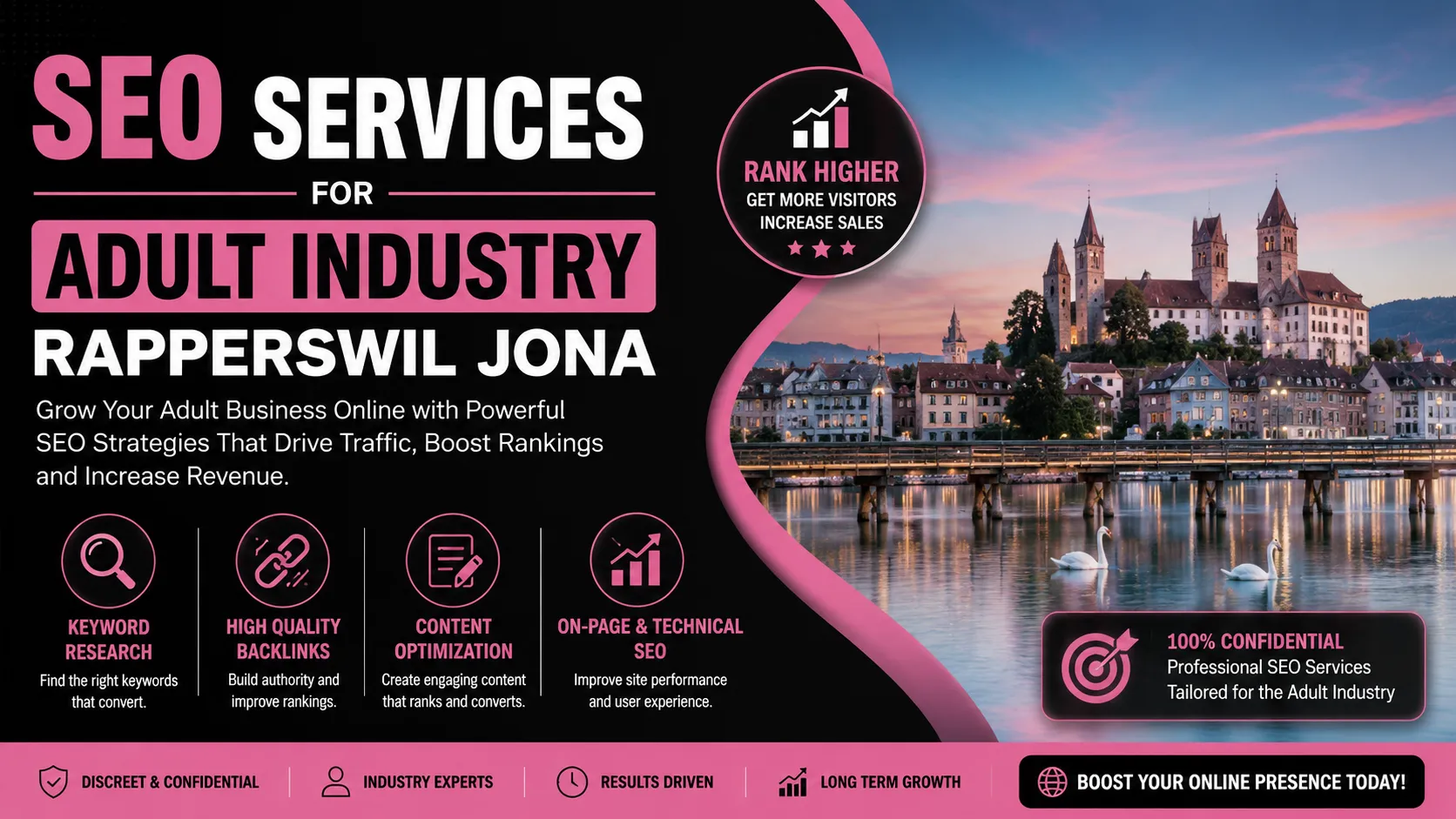
MARKETING SOLUTIONS FOR ADULT AND ESCORT BUSINESS IN RAPPERSWIL JONA , SWITZERLAND As the premier adult SEO Agency in Rapperswil…
Read More
MARKETING SOLUTIONS FOR ADULT AND ESCORT BUSINESS IN DÜBENDORF , SWITZERLAND As the premier adult SEO Agency in Dübendorf ,…
Read More